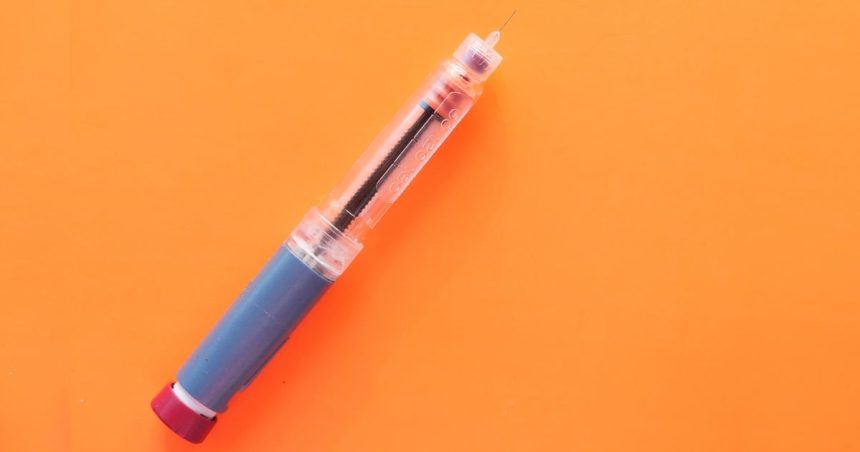
Anybody with insulin-dependent diabetes is aware of that managing it requires massive quantities of insulin injections.
Insulin injections are given subcutaneously, so the drug is rapidly absorbed into the fatty tissue simply beneath the pores and skin, however injecting insulin right into a muscle might also be efficient.
This text outlines the do’s and don’ts of injecting insulin into your muscular tissues.
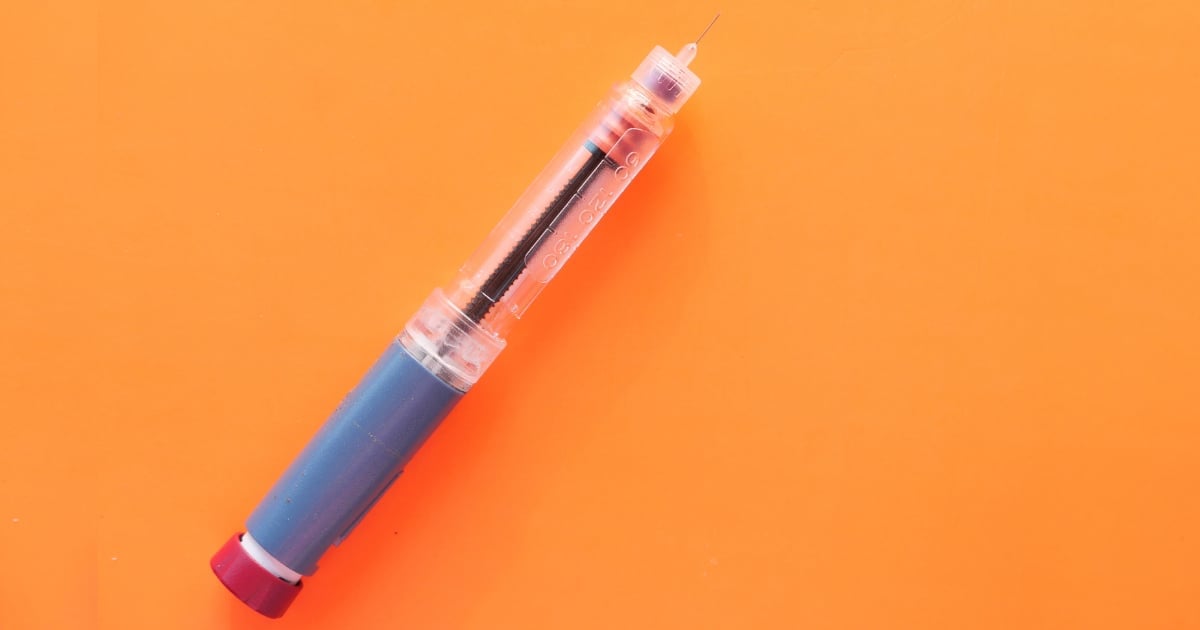
How is insulin normally injected?
Insulin is normally injected subcutaneously, into the layer of fatty tissue beneath the pores and skin. This enables for predictable drug launch, a extra painless injection, and fewer bruising throughout the injection website.
At present’s microsyringes and insulin infusion units make insulin injections simpler than ever. When injected into fatty tissue, reminiscent of across the abdomen, arms, buttocks, or legs, most of as we speak’s fast-acting insulins start to take impact inside 10 to fifteen minutes and stay within the physique for as much as 4 hours.
Why inject insulin into your muscular tissues?
Somebody could unintentionally inject insulin right into a muscle, or just inject insulin right into a muscle as a result of the physique has much less fatty tissue.
It’s possible you’ll inject right into a muscle out of necessity since you really feel the injection website is “gone,” or it’s possible you’ll merely need the insulin to work sooner.
Watch out in regards to the frequency of injections, as injections into the muscle may be extra painful. Word that when injected right into a muscle, insulin is absorbed sooner, however additionally it is metabolized and eradicated from the physique sooner.
Intramuscular injections are helpful if you’re consuming meals with a lot of added sugar (which causes blood sugar ranges to rise extra rapidly) and want your insulin to work sooner.
Is intramuscular injection protected?
Though usually protected, care have to be taken to keep away from postprandial (postprandial) hyperglycemia as a result of brief back-end tail of insulin.
It’s by no means really helpful to inject long-acting insulin into muscle as a result of the mechanism of motion of long-acting insulin doesn’t work correctly except it’s injected into fatty tissue. Injections of short-acting insulin (reminiscent of Humalog or Novolog) are normally effective. Nonetheless, all the time seek the advice of your physician first.
Though we do not suggest injecting insulin into your muscular tissues on a regular basis (there is a cause it is subcutaneous), it is okay to inject it into your muscular tissues in a pinch.
What to do (and do not do!) when injecting insulin into your muscular tissues
Don’t inject long-acting insulin right into a muscle
Doing so can change the effectiveness of long-acting insulin and wreak havoc on blood sugar ranges for greater than 24 hours. Make sure to inject long-acting insulin into adipose tissue.
Don’t inject into muscle recurrently
Injecting right into a muscle could cause extra bruising, extra ache, and the insulin will not be absorbed correctly (it is absorbed a lot sooner and is metabolized and excreted from the physique even sooner).
If you happen to want your insulin to work higher with the meals you are consuming, strive injecting it 15 to twenty minutes earlier than you begin consuming to see if it helps.
For cussed hyperglycemia, strive intramuscular injection
It might be useful to make use of this system to decrease blood sugar ranges rapidly, particularly if you’re sick and in danger for diabetic ketoacidosis (DKA).
Injecting it right into a muscle earlier than an enormous occasion like a college examination, film night time, or household dinner to decrease blood sugar ranges rapidly will also be useful in a pinch.
Nonetheless, make sure to seek the advice of your physician earlier than doing so. Be particularly cautious if you’re sick and have continual hyperglycemia >250 mg/dL for a number of hours with reasonable or excessive ketones.
On this case, it’s possible you’ll want emergency therapy with an insulin drip at your native hospital.
Proceed to make use of alcohol swabs and clear syringes
As all the time, all the time use a recent alcohol swab and a clear syringe/pen when giving the injection to stop an infection. Individuals with diabetes are usually at greater threat for infections, and this can be a quite simple step to stop undesirable hospitalizations.
Rotate injection websites
Insulin-dependent diabetics could merely really feel that there’s “no extra” house for a brand new injection website. On this case, it is sensible to make occasional injections into the muscle.
Make sure to rotate your websites correctly and keep away from overusing sure areas, as this could trigger scar tissue and insulin resistance.
Inject into muscle should you neglect to take a bolus of meals
Everyone knows that forgetting to take a bolus of carbohydrates from a meal could cause issues. Injections into the muscle could make insulin work a lot sooner than common injections into fatty tissue, so you should use this tactic should you neglect a dose.
Speak to your physician to see if this may increasingly assist.
Carry further snacks with you when injecting right into a muscle
Insulin works in a short time when injected right into a muscle, so be sure you carry loads of small snacks with you should you exit, as it’s possible you’ll must deal with surprising hypoglycemia.
Pay specific consideration to blood sugar ranges for a number of hours after intramuscular injection. It is because the unpredictable mechanism of motion could cause blood sugar ranges to spike.
Strive inhaled insulin
If you happen to steadily endure from stubbornly excessive blood sugar ranges or recurrently neglect to boluse your meals, ask your physician about utilizing Afreeza, an inhaled insulin that begins reducing blood sugar ranges in nearly 12 minutes.
This works a lot sooner than different injections and is way much less painful than making use of a syringe to a muscle.
All the time work along with your physician
Whether or not you manually inject insulin a number of instances every day or use an insulin pump to inject insulin, you must work along with your physician or endocrinologist to find out what’s greatest for you and your way of life.
Figuring out that you’ve the choice of occasional intramuscular injections may also help management cussed excessive blood sugar ranges, handle difficult-to-administer diets, and stop scar tissue in steadily used injection websites, however there are drawbacks.
Injecting insulin into your muscular tissues adjustments the best way they metabolize, which might result in extra ache and extra bruising. Additionally, watch out to not inject long-acting insulin right into a muscle. It may well destroy your blood sugar ranges and ship you on a blood sugar curler coaster experience for the subsequent 24 hours.
Through the use of these methods, we hope to be higher ready when we have to inject insulin into our muscular tissues.