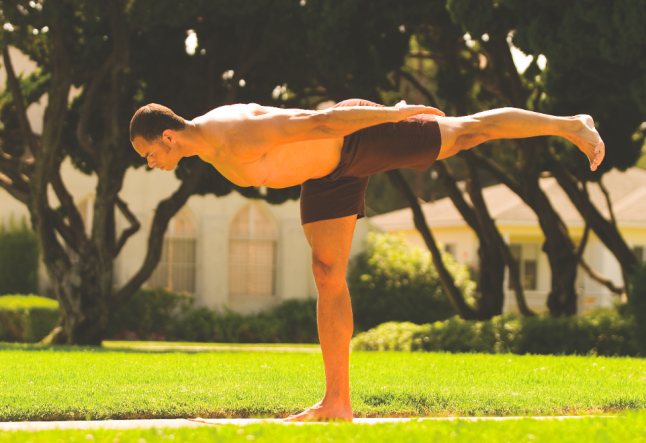
Warrior 3 Pose, or Virabhadrasana III, is a robust standing stability pose that challenges the physique and thoughts. It strengthens your legs, core, and again whereas testing your focus, stability, and alignment.
With over 37 years of yoga apply, together with a background in athletics and instructing, I’ve discovered this pose to be probably the most transformational in constructing power with grace.
On this information, I’ll break down the advantages, alignment ideas, frequent errors, and sensible variations for Warrior 3, together with insights from my very own expertise as a trainer and practitioner.
What’s Warrior 3 pose?
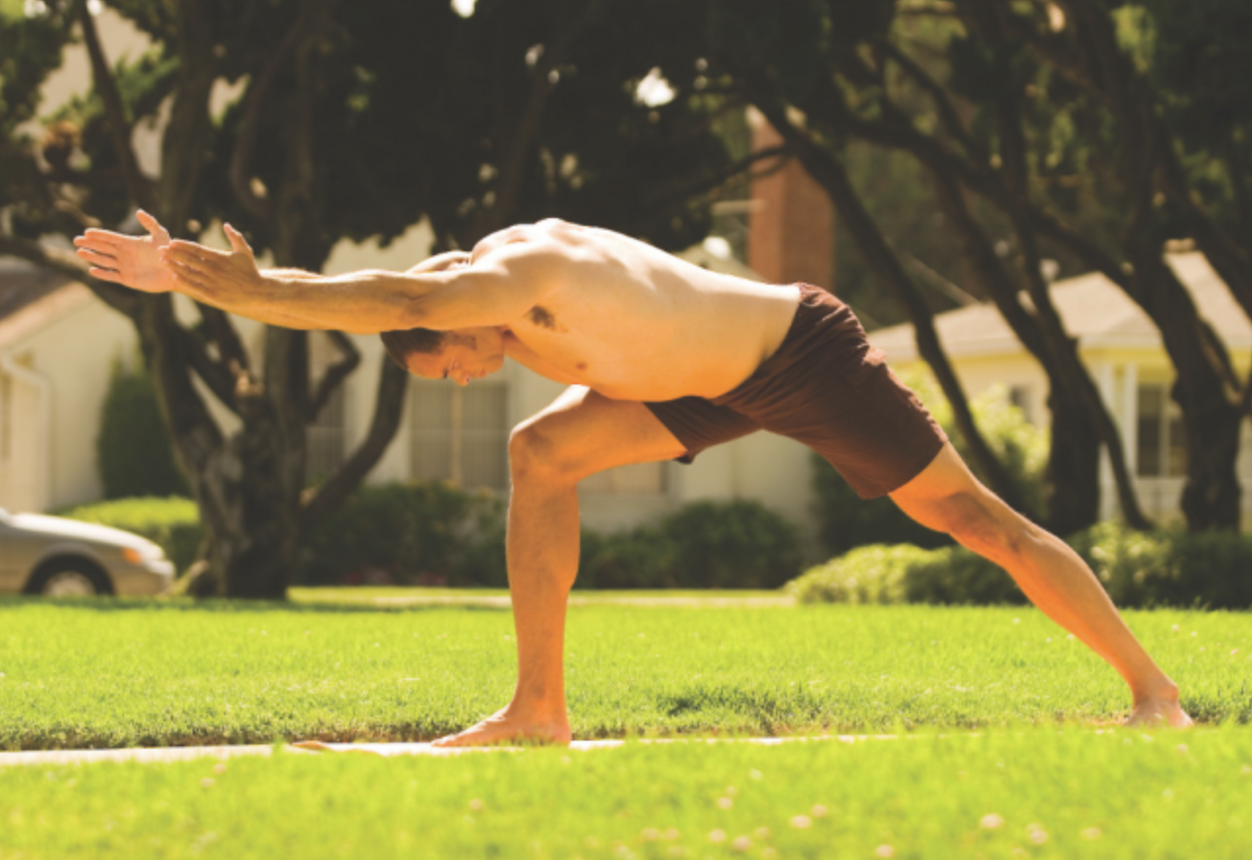
- Conventional Warrior 3 Pose
- Warrior 3 with blocks
- Warrior 3 utilizing a wall for help
What’s warrior 3 pose?
Warrior 3 (Virabhadrasana III) is the third within the warrior collection and represents a fierce yogic archetype—rooted, robust, and unwavering. On this pose, the physique varieties a “T” form: one leg grounded, the opposite prolonged behind, with the torso and arms reaching ahead.
Sanskrit breakdown:
- Vira = Hero/Warrior
- Bhadra = Blessed/Auspicious
- Asana = Pose
It’s historically linked to the legend of Virabhadra, a fierce incarnation of Shiva created to revive stability.
Advantages of Warrior 3 pose
• Core power
Engages the abdominals and decrease again muscle groups
• Glute & hamstring activation
Tones and strengthens each legs
• Improves stability
Challenges proprioception and spatial consciousness
• Postural alignment
Encourages spinal elongation and consciousness
• Preferrred for runners
Builds hip power and helps endurance coaching
• Stimulates focus
Cultivates psychological readability and focus
Be taught extra advantages and variations of Triangle Pose, equally useful yoga pose as Warrior 3.
The right way to do Warrior 3: Step-by-step directions
- Begin in Warrior I together with your proper foot ahead.
- Take a deep breath. On the exhale, hinge your torso ahead and relaxation your chest calmly in your proper thigh.
- Attain your arms ahead, conserving them shoulder-width aside.
- As you exhale once more, shift your weight into your proper foot and start to elevate your left leg straight behind you.
- Straighten your standing leg as a lot as your stability permits.
- Degree your hips—rotate the left hip down and have interaction your glutes.
- Attain by the crown of your head and your lifted heel, creating one lengthy line.
- Maintain for 3–5 breaths.
- To exit, bend the best knee barely and step again into Warrior I.
Alignment suggestions
- Hold hips squared to the mat
- Keep away from collapsing the chest—elevate by the sternum
- Press down by the ball of the standing foot
- Flex the raised foot and preserve toes pointing down
- Gaze ahead or down to take care of neck alignment
Widespread errors to keep away from
- Overarching the decrease again: Have interaction your core to guard your backbone
- Hip opening: Make sure the raised leg’s hip stays stage with the grounded one
- Locked standing knee: Barely bend the knee in case you really feel pressure
- Arms overextending: Hold them aligned together with your ears, not increased
Modifications and variations
- Fingers at coronary heart: Convey palms to prayer place to cut back shoulder pressure
- Use blocks: Place fingers on yoga blocks for added help
- Wall help: Relaxation your lifted foot or fingers towards a wall
- Chair help: Place fingers on the again of a chair whereas lifting the leg.
Preparatory and counter poses
- Put together with: Excessive Lunge, Tadasana, Plank Pose
- Counter with: Ahead Fold, Little one’s Pose
A trainer’s perception: Warrior 3 in my apply
As a former observe sprinter, I initially sought yoga to enrich my bodily coaching. However over time, Warrior 3 grew to become greater than a bodily posture—it taught me the stability between management and give up. I typically inform my college students: Warrior 3 is the place your ego learns humility, and your focus turns into your superpower.
This pose additionally shifted my perspective as a male trainer. It blended the yang of power with the yin of grace. It jogged my memory that stability isn’t about perfection—it’s about presence.
FAQ: Warrior 3 pose
Q: Is Warrior 3 appropriate for newbies?
A: Sure, with props like blocks or a wall. Novices ought to deal with hip alignment and keep away from locking the standing knee.
Q: Why is it exhausting to stability in Warrior 3?
A: It challenges a number of muscle teams and your proprioception. Use your breath to remain centered and apply typically.
Q: Ought to my lifted leg be increased than my torso?
A: No. Intention for the leg to be parallel to the ground, hips stage, and toes pointing down.
Q: How lengthy ought to I maintain Warrior 3?
A: Begin with 3–5 breaths and work your method as much as 10 with constant apply.
Q: What are good follow-up poses after Warrior 3?
A: Standing Ahead Bend, Tree Pose, or a mild seated twist may also help reset your physique.
Closing thought
Warrior 3 is a good looking metaphor for all times: one foot grounded within the current, the opposite reaching towards chance. It teaches us power in stillness, readability in movement, and the artwork of unwavering focus.
Whether or not you’re a runner, a newbie, or a seasoned yogi, integrating this pose into your apply will deepen your stability—not simply on the mat, however inside your self.