
What if there have been a easy observe that would assist youngsters handle massive feelings, enhance focus, construct bodily power, and develop lifelong instruments for well-being—all whereas having enjoyable? Throughout colleges, houses, and remedy facilities worldwide, yoga is proving to be precisely that highly effective useful resource for kids going through right now’s distinctive challenges.
In our fast-paced world, youngsters face growing pressures from a number of instructions. Educational calls for proceed to accentuate, whereas rising display time not solely limits bodily health but in addition exposes youngsters to fixed social comparability.
Many youngsters really feel the strain to measure as much as unrealistic requirements they see on-line, resulting in anxiousness and decreased shallowness. Moreover, right now’s youngsters expertise extra scheduled actions and fewer unstructured play than earlier generations, creating an ideal storm of stressors that may have an effect on their bodily and psychological well being.
Yoga supplies a much-needed counterbalance to those fashionable challenges. Let’s discover how this centuries-old observe can help your youngster’s growth, from improved bodily well being to enhanced emotional well-being and educational efficiency.
Most important takeaways
- Yoga improves youngsters’s bodily well being via enhanced power, flexibility, and coordination
- Common yoga courses enhance psychological well being, self-regulation, and emotional resilience.
- Yoga helps youngsters develop focus and focus, main to higher educational efficiency.
- Youngsters who observe yoga develop lifelong instruments for stress administration and self-awareness.
- Yoga can profit youngsters with particular situations like ADHD and autism.
The magic of conscious motion: Understanding children yoga
Image this: a classroom of usually fidgety seven-year-olds mendacity peacefully in savasana, respiration deeply as they visualize optimistic ideas. This scene, as soon as uncommon in instructional settings, is turning into more and more frequent as yoga for kids good points recognition for its quite a few advantages.
Yoga isn’t nearly bodily postures—it’s a holistic strategy to well-being that mixes motion, respiration, and mindfulness practices tailor-made particularly for younger, rising our bodies and minds.
In contrast to grownup yoga courses that may deal with perfecting poses, educating yoga to youngsters emphasizes enjoyable, creativity, and self-expression. Animal poses grow to be adventures, respiration practices rework into video games, and meditation takes the type of imaginative journeys.
By introducing yoga to children, we’re educating them extra than simply bodily yoga poses—we’re giving them instruments they’ll carry all through their lives. The great thing about children yoga is that it crops seeds of mindfulness, consciousness, and self-discipline at an early age.
Yoga introduces youngsters to cornerstone values similar to:
- Non-harming (ahimsa)
- Truthfulness (satya)
- Moderation (brahmacharya)
- Cleanliness (saucha)
- Gratitude (santosha)
- Self-discipline (tapas)
These ideas aren’t taught as summary ideas however skilled via the bodily observe, tales, and group actions that make up a typical yoga session.
The flexibility of yoga makes it notably precious for youths—it may be practiced wherever, from lecture rooms and residing rooms to playgrounds and parks. All that’s wanted is sufficient area for a kid to stretch out, making it an accessible exercise no matter socioeconomic standing or geographic location.
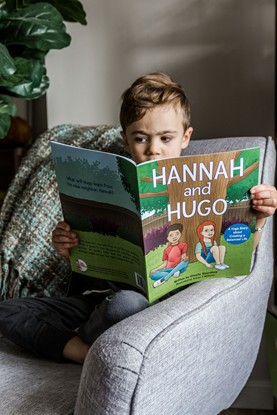
Advantages of yoga for youths: How yoga empowers Younger our bodies and minds
Bodily well being advantages
Whereas yoga isn’t usually considered an cardio exercise, it presents quite a few bodily advantages for kids’s rising our bodies. Via varied yoga poses, children have interaction completely different muscle teams, develop proprioception (consciousness of their physique in area), and enhance each dynamic and static stability.
The bodily advantages of yoga for kids embrace:
- Elevated power in core muscle groups, supporting higher posture
- Enhanced flexibility with out overstretching younger joints
- Improved coordination and motor planning expertise
- Growth of physique consciousness and spatial orientation
- Higher stability and stability
For athletic children, yoga serves as wonderful cross-training, serving to to strengthen and stretch particular muscle teams that is likely to be overtaxed or underdeveloped of their main sport. Younger runners discover reduction for tight hamstrings, basketball gamers achieve shoulder mobility, and gymnasts develop managed power to enhance their flexibility.
Even for youths who don’t contemplate themselves athletic, yoga supplies a non-competitive method to have interaction in bodily health. The deal with private progress somewhat than comparability creates a protected area for youths to develop consolation with bodily exercise.
Emotional well being and well-being
Youngsters right now face unprecedented ranges of stress, with psychological well being challenges affecting youthful age teams than ever earlier than. Yoga supplies accessible instruments for emotional well-being that children can use independently.
Via a constant yoga observe, youngsters develop:
- Consciousness of their emotional states
- Vocabulary to specific emotions
- Bodily methods to handle emotional depth
- Resilience when going through challenges
- Self-regulation expertise for giant emotions
Yoga implements rest methods, mild stretching, and respiration workouts that assist launch rigidity held within the physique. For teenagers who battle to verbalize feelings, these bodily practices supply another pathway to emotional regulation.
The parasympathetic nervous system activation that happens throughout yoga observe additionally helps wholesome digestive system operate, stabilizes blood sugar, and promotes total well being—bodily manifestations of lowered stress that many youngsters expertise with out absolutely understanding the mechanism.
Youngsters who observe yoga reveal higher emotional resilience—bouncing again extra shortly from disappointments, managing frustration extra successfully, and displaying elevated empathy towards others.
Bettering focus and focus
The connection between bodily motion and cognitive operate is well-established in neuroscience. Yoga takes this relationship additional by combining bodily yoga poses with mindfulness practices that straight help studying and faculty efficiency.
Via yoga, youngsters develop psychological readability and emotional regulation important for educational success.
This consciousness is essential as a result of studying is straight tied to emotional state. When youngsters expertise stress or anxiousness—in “struggle or flight” mode—data can not attain the prefrontal cortex the place studying happens, as a substitute turning into blocked on the reptilian mind stage centered on survival.
Nonetheless, regulated respiration methods discovered in yoga can straight influence mind operate. Deep, diaphragmatic respiration will increase oxygen move to the mind whereas activating the parasympathetic nervous system—the “relaxation and digest” mode that optimizes situations for studying and reminiscence formation.
Research present {that a} common yoga observe correlates with a number of educational advantages:
- Improved focus and sustained consideration
- Enhanced working reminiscence capability
- Higher cognitive flexibility and problem-solving skills
- Diminished check anxiousness and efficiency stress
- Elevated classroom participation and engagement
Low-stress college students carry out higher academically. When youngsters be taught to handle their stress response via yoga, they will strategy difficult educational materials with higher resilience and cognitive sources.
Constructing shallowness and confidence
Bear in mind studying to journey a motorcycle? That second when the coaching wheels got here off, and also you realized you possibly can stability by yourself? Yoga presents youngsters related moments of feat that construct shallowness.
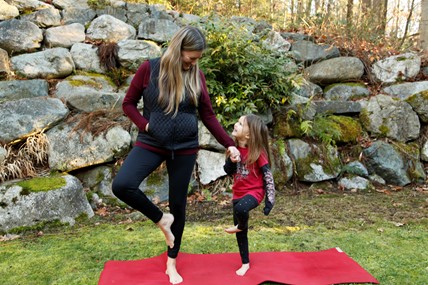
When a toddler who has been engaged on balancing poses lastly manages to carry Tree Pose for a number of breaths, the sense of accomplishment lights up their face. These small victories accumulate, fostering a real sense of self-respect and confidence that extends past the yoga mat.
Youngsters rework from saying “I can’t” to “I’ll attempt” to “I did it!” Yoga teaches children to persevere, be affected person, and work towards their targets in a non-competitive surroundings the place the journey issues greater than the vacation spot.
In contrast to aggressive sports activities, the place success is measured by profitable, yoga permits every youngster to progress at their very own tempo, celebrating private enhancements somewhat than evaluating themselves to others. This intrinsic motivation proves way more sustainable for constructing lasting shallowness.
Therapeutic via motion: Therapeutic advantages for kids with further wants
Past the overall wellness advantages already mentioned, yoga exhibits explicit promise for kids with particular well being situations or developmental variations.
The therapeutic purposes of yoga proceed to develop as analysis demonstrates its effectiveness for varied pediatric populations.
For kids with ADHD
Consideration deficit hyperactivity dysfunction impacts roughly 9.4% of kids in the US. Research counsel that yoga will help handle core signs by:
- Bettering sustained consideration and focus
- Lowering hyperactivity and impulsivity
- Enhancing govt operate expertise
- Offering instruments for self-regulation
Educating yoga to children constantly helps them develop consciousness of their vitality ranges and provides them concrete instruments to self-regulate once they really feel scattered or overstimulated.
For kids with autism spectrum problems
For kids with autism, yoga presents advantages that deal with frequent challenges:
- Lowering anxiousness via predictable routines
- Bettering physique consciousness and motor coordination
- Offering deep strain enter via sure poses
- Making a structured area for social interplay
Many occupational remedy practices now incorporate yoga as a part of a complete strategy for kids with sensory processing variations, discovering that the mixture of motion, breath consciousness, and mindfulness helps integration of sensory data.
For kids with anxiousness or trauma
Yoga’s emphasis on present-moment consciousness makes it notably precious for youths dealing with anxiousness or recovering from traumatic experiences:
- Breathe deeply to assist activate the relief response
- Bodily exercise releases saved rigidity
- Mindfulness practices gently improve tolerance for uncomfortable sensations
- Predictable sequences create a way of security and management.
Trauma-sensitive yoga interventions assist scale back hyperawareness and enhance self-regulation in youth who’ve skilled tough life occasions.
These specialised approaches prioritize selection, empowerment, and security—creating environments the place youngsters can step by step reconnect with their our bodies in optimistic methods.
Many healthcare suppliers now advocate yoga as one in every of a number of mind-body practices that may help youngsters’s psychological well being, notably for stress-related situations.
For kids with bodily disabilities
Adaptive yoga practices make the advantages of yoga accessible to youngsters with bodily disabilities:
- Improved vary of movement and suppleness
- Diminished muscle spasticity
- Higher breath management
- Enhanced physique consciousness
- Elevated confidence in bodily skills
For these youngsters, yoga presents a uncommon alternative to expertise motion in a supportive, non-competitive surroundings the place modifications are celebrated somewhat than seen as limitations.
Bringing yoga to life: Easy methods to observe with youngsters
Introducing yoga to youngsters doesn’t require elaborate gear or in depth coaching. Easy yoga workouts and video games will be integrated into day by day routines at residence, in lecture rooms, or throughout after-school packages.
Learn how to get began at residence
Start with these accessible practices:
- Morning Solar Salutations: Begin the day with 3-5 rounds of modified solar salutations to energise the physique.
- Bedtime Rest: Finish the day with youngster’s pose and delicate twists to launch rigidity.
- Breathe Deeply: Take respiration breaks throughout homework time—three deep breaths can reset focus.
- Household Yoga Time: Designate Quarter-hour on weekends for household yoga, the place every member will get to guide a favourite pose or yoga story.
The great thing about training yoga at house is that it turns into a part of household tradition. When children see adults of their lives prioritizing mindfulness and motion, they naturally combine these practices into their very own routines.
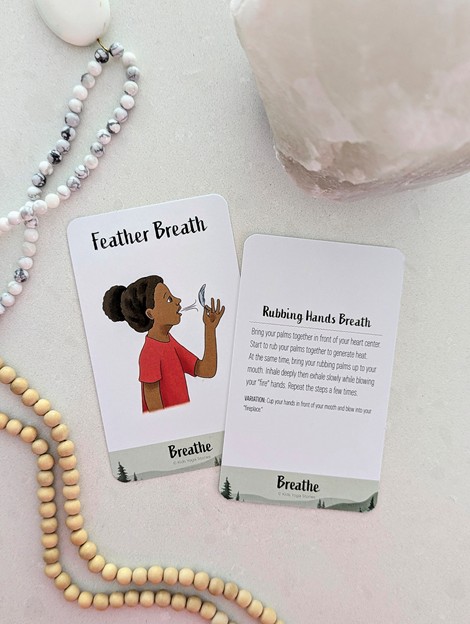
On-line sources, like these discovered at kidsyogastories.com, supply considerable steerage for folks and caregivers trying to share yoga with their youngsters. From illustrated pose playing cards to kid-friendly yoga movies, instruments exist for each age group and curiosity stage.
Learn how to get began in instructional settings
Colleges more and more acknowledge the worth of incorporating yoga into their curriculum—whether or not as standalone courses or as temporary motion breaks all through the day.
Efficient approaches embrace:
- Yoga Corners: Designating a small space within the classroom with visible pose guides the place youngsters can go when they should recenter.
- Motion Breaks: Integrating 3-5 minute yoga sequences between educational topics.
- Conscious Moments: Starting or ending the college day with respiration and easy stretches.
- Emotion Regulation Stations: Creating visible aids that pair yoga poses with emotional states (e.g., “After I really feel indignant, I can attempt lion’s breath”).
Lecturers report that even temporary yoga interventions all through the college day can considerably enhance classroom administration, pupil focus, and the general studying surroundings.
Yoga for each age: Tailoring observe to developmental phases
Opposite to what some may assume, there’s no “proper age” to begin yoga. The observe will be modified to work for kids at each developmental stage, from toddlers to youngsters.
For toddlers and preschoolers (Ages 2-5)
At this age, yoga needs to be predominantly playful and imaginative:
- Quick classes (5-Quarter-hour)
- Animal poses with sounds and tales
- Comply with-the-leader motion video games
- Easy respiration visualizations (blowing up a balloon, smelling flowers)
- Associate poses with mother and father or caregivers
For elementary age youngsters (Ages 6-10)
As youngsters develop longer consideration spans and stronger our bodies, their yoga observe can evolve:
- Longer sequences (15-Half-hour)
- Theme-based courses (jungle adventures, ocean explorations)
- Introduction to balancing poses and gentle inversions
- Primary respiration methods with counting
- Guided visualizations and brief meditations
For tweens and teenagers (Ages 11+)
Older youngsters profit from extra technical instruction and understanding the “why” behind the observe:
- Full-length courses (30-45 minutes)
- Tougher bodily postures
- Particular respiration methods for various emotional states
- Meditation practices for focus and stress discount
- Dialogue of yoga philosophy in age-appropriate phrases
The hot button is to satisfy youngsters the place they’re. A four-year-old may observe “frog pose” whereas making ribbit sounds, whereas a fourteen-year-old may learn the way the identical pose (malasana) aids digestion and stretches the hips. It’s the identical pose with completely different entry factors.
Past the mat: Carrying yoga’s presents into on a regular basis life
Yoga presents youngsters a singular mixture of bodily exercise, mindfulness observe, and life expertise that help their growth holistically.
As each an instantaneous intervention for particular challenges and a preventative observe for lifelong well-being, yoga supplies instruments that profit youngsters throughout contexts—from lecture rooms and playgrounds to household life and future careers.
Introducing youngsters to yoga offers them entry to:
- Bodily practices that strengthen and stability their rising our bodies
- Psychological methods that enhance focus and educational efficiency
- Emotional instruments for self-regulation and resilience
- Social expertise like empathy, communication, and cooperation
- Philosophical ideas that information moral decision-making.
In a world the place youngsters face growing strain to carry out academically whereas navigating complicated social landscapes each on-line and offline, yoga presents a sanctuary—a spot to attach with themselves, develop confidence of their skills, and domesticate the interior sources they should thrive.
Whether or not a toddler practices for 5 minutes or fifty, as soon as per week or day by day, the advantages accumulate over time, creating neural pathways and habits that help lifelong well being and happiness.
After we train youngsters yoga, we’re not simply serving to them contact their toes—we’re serving to them contact their potential.
FAQs
Yoga develops a number of dimensions concurrently: bodily (coordination, stability), cognitively (consideration, reminiscence), emotionally (self-regulation, stress administration), and socially (empathy, cooperation). These built-in outcomes help educational success whereas constructing important life expertise that customary curricula typically overlook—equipping youngsters to thrive each in and past the classroom.
Completely! Yoga isn’t nearly flexibility—it encompasses respiration, mindfulness, and philosophy. All youngsters profit no matter their pure skills. Many grow to be extra versatile via observe, however that’s only a bonus. Yoga is about exploration, not touching your toes!
Sure. Youngsters who observe yoga reveal improved conduct and lowered cortisol ranges. Yoga builds self-regulation expertise that switch to day by day challenges. Common observe develops emotional consciousness, impulse management, and focus. Youngsters usually handle frustration higher, observe instructions extra simply, and make extra considerate decisions.
Beginning small is ideal! Even 2-5 minutes day by day makes a distinction! Incorporate yoga into current routines—morning stretches, bedtime respiration, or conscious moments. Consistency in small doses beats occasional longer classes, and kids naturally lengthen observe as curiosity grows.
Under no circumstances. Trendy yoga in youngsters’s settings is totally secular, specializing in motion, respiration, and mindfulness with out non secular teachings. Folks from all religion backgrounds observe yoga worldwide, because the bodily postures and respiration workouts are merely instruments for well-being.
Any age is ideal! Even toddlers profit from easy respiration video games, animal poses, and motion actions. Beginning younger helps wire growing brains for mindfulness and self-regulation from the start. Early publicity cultivates physique consciousness, language growth, and parent-child bonding, creating neural pathways that help future studying and emotional regulation.
Yoga supplies important instruments for kids navigating right now’s fast-paced world. The primary advantages embrace:
Improved bodily well being via higher power, flexibility, and coordination
Enhanced emotional regulation and stress administration expertise
Elevated focus and focus main to higher educational efficiency
Growth of self-awareness and shallowness
Creation of wholesome habits and mindfulness practices that final a lifetime