Understanding what your blood sugar ranges are and what’s thought of “regular” will be complicated, particularly in case you have diabetes.
Blood glucose targets, or targets, can range for everybody, and should range occasionally to make it much more difficult.
This text will enable you to perceive the goal blood glucose and A1C ranges in each folks, with or with out diabetes.
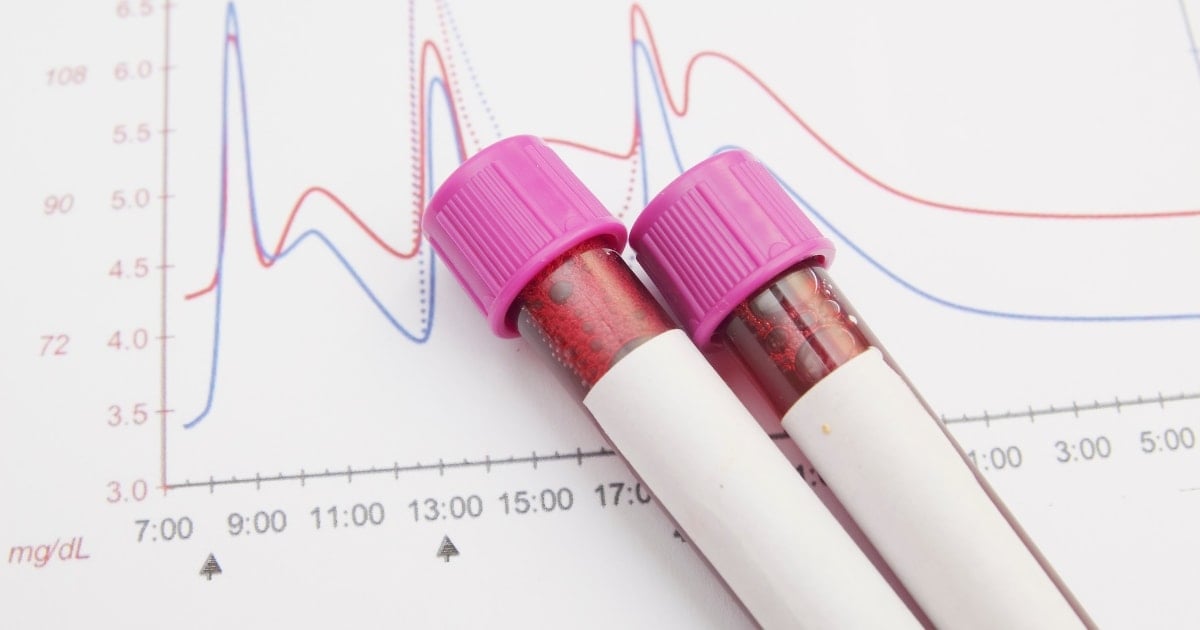
Blood glucose and A1C chart: regular and diabetic blood glucose vary
be taught extra: What’s regular blood sugar?
What’s blood sugar?
Blood glucose, also called blood glucose, is sugar discovered within the blood. Such a sugar is the principle supply of vitality or gas for the physique. It is usually the principle supply of vitality within the mind.
Once you eat, your physique breaks down carbohydrates (carbohydrates) in your meals into glucose, which is launched into the bloodstream. As glucose ranges within the blood start to rise, the pancreas releases the hormone insulin and travels to cells that use glucose for vitality.
How is blood sugar ranges managed in individuals who do not need diabetes?
In individuals who don’t undergo from diabetes, blood glucose ranges are very intently managed within the physique by two hormones: insulin and glucagon. Extra glucose within the blood is saved as liver glycogen.
In case your physique wants further glucose for gas, for instance, in the event you want gas in a single day whereas exercising or sleeping, glucagon will inform your liver and launch glucose into the bloodstream. From there, insulin helps transfer that glucose into cells and use it for vitality.
Why are diabetes and blood sugar ranges essential?
With diabetes, blood sugar ranges could also be too excessive. Within the case of kind 1 diabetes, the pancreas both produces or produces little or no insulin. Because of this, glucose from the blood can’t enter the cells to be used in vitality. In kind 2 diabetes, cells within the physique don’t reply very properly to insulin. Moreover, the pancreas stops producing sufficient insulin to control blood glucose.
Hyperglycemia is known as hyperglycemia. If left untreated over time, this situation can result in critical problems. These embrace:
Different issues attributable to hyperglycemia embrace foot issues, periodontal illness, pores and skin issues, and listening to loss.
Brief-term, untreated hyperglycemia may cause doubtlessly life-threatening problems corresponding to:
In both case, instant remedy is required.
Fasting blood sugar
Fasting blood glucose is the extent of blood glucose measured or checked after fasting. “Fasting” means not consuming or ingesting something besides water for at the very least eight hours.
In case you have diabetes and examine your blood glucose stage with a blood glucose meter, your well being care supplier could ask you to examine your fasting blood glucose stage. Relying in your sleep schedule, that is the primary blood sugar examine you do after you get up, earlier than consuming breakfast or ingesting morning espresso.
For most individuals with diabetes, the purpose is fasting blood glucose between 80 and 130 mg/dL. Fasting blood glucose ranges in individuals who don’t undergo from diabetes must be between 70 and 99 mg/dL.
Fasting blood glucose above 130 mg/dL means sure hormones have too excessive blood glucose (known as the daybreak phenomenon). Different attainable causes of excessive fasting blood glucose embrace not having insulin or rebound hyperglycemia after present process hypoglycemia in the course of the night time.
Fasting blood glucose beneath 80 mg/dL means you’re taking too many diabetic drugs (together with insulin). One other trigger could also be insufficient, being extra energetic than common, or ingesting alcohol with out consuming.
Blood sugar after meal
Meals has a huge impact on blood sugar ranges, so in case you have diabetes, it may be useful to examine your blood sugar ranges after meals. That is known as post-meal or post-meal blood glucose checking and is meant to seize the “peak” or highest blood glucose stage after consuming.
The American Diabetes Affiliation (ADA) proposes a goal beneath 180 mg/dL for many non-pregnant adults 1-2 hours after the onset of a meal. For folks with out diabetes, blood glucose ranges normally stay beneath 140 mg/dL.
Blood glucose ranges above 180 mg/dL after consuming usually imply that your weight loss program could also be too carbohydrate. For instance, a pasta and Italian bread dinner is extra more likely to trigger post-meal glucose “spikes” in comparison with a meal of grilled fish, greens and brown rice. Nevertheless, excessive blood sugar ranges after lactose can even happen as a result of:
- Overlook to take your diabetes treatment
- Not taking ample diabetes treatment
- Feeling unwell or annoying
- Not doing regular ranges of bodily exercise
If the trigger will be decided, occasional hyperglycemia after meals is regular. Nevertheless, repeated post-pregnancy glucose ranges may cause concern and should point out the necessity to cut back carbohydrates or begin or modify diabetes treatment.
Excessive blood sugar ranges
In folks with diabetes, hyperglycemia is normally thought of to be blood glucose above 180 mg/dL 1-2 hours after consuming.
In case your blood glucose stage exceeds 180 mg/dL, signs of hyperglycemia can happen. These embrace feeling thirsty, needing frequent urination, fatigue, irritability, and blurry imaginative and prescient. Many individuals with diabetes begin to expertise signs of hyperglycemia when their blood sugar ranges attain 250 mg/dL, which may range from individual to individual.
Blood glucose ranges reaching 400 mg/dL or greater could point out the chance of the 2 critical circumstances talked about above.
DKA is extra frequent in folks with kind 1 diabetes, however can even have an effect on folks with kind 2 diabetes. Excessive blood sugar and elevated ketones (chemical compounds produced by the liver when fats breaks down), speedy respiratory, fruity-scented respiratory, nausea, vomiting, and abdomen ache can seem.
DKA may quickly change into a medical emergency. Therapy consists of intravenous administration of insulin, in addition to hospitalization changing fluids and electrolytes.
HHS is a complication of kind 2 diabetes, indicating very excessive blood sugar ranges, excessive dehydration, diminished arousal, and even lack of consciousness. Therapy focuses on hospitalization, appropriate dehydration, change electrolytes, and insulin intravenously administered.
See extra particulars: What is taken into account hyperglycemia?
Hypoglycemia ranges
Blood glucose ranges fluctuate all through the day in each folks, with or with out diabetes. For folks with diabetes, the overall purpose is to intention to maintain blood sugar ranges between 80 mg/dL and 180 mg/dL (or the vary really helpful by the medical group).
Typically blood sugar ranges get too low, beneath 70 mg/dl. That is known as hypoglycemia. You will have signs that warn you of hypoglycemia, corresponding to feeling unstable or a light-weight head.
Not everybody has signs when they’re low, so frequent blood glucose ranges in meters, or, if attainable, use CGM (steady glucose monitoring) to assist establish when glucose ranges are too low and too low. If this happens, low carbohydrate sources must be handled to boost blood sugar ranges to a secure stage.
A too low blood sugar stage (normally beneath 54 mg/dl) is known as extreme hypoglycemia, which means that you simply need assistance from somebody who will help deal with and recuperate from the low ones. Extreme hypoglycemia can result in a threat of fainting. If blood sugar ranges are too lengthy or too low, it might probably result in seizures, coma, and infrequently dying. Therapy could embrace administration of glucagon by injection or inhalation, or intravenous glucose.
learn extra: What is taken into account hypoglycemia?
Particular person blood glucose targets
The glucose objectives listed within the desk above will not be essentially acceptable for all folks with diabetes. The truth is, the ADA strongly recommends adjusting glucose targets as wanted primarily based on particular elements. These embrace:
- yr: Aged folks with practical or cognitive disabilities, or very younger kids, might have greater glucose objectives for security and ease. Nevertheless, younger adults with no problems of diabetes could profit from decrease glucose objectives.
- Well being standing: Individuals with restricted common life expectancy or restricted sure medical circumstances usually have greater glucose targets.
- Danger of hypoglycemia: People who find themselves not conscious of hypoglycemia (can’t detect early indicators of hypoglycemia) or who’ve extreme hypoglycemia could have excessive blood glucose ranges.
- Pregnant girls with diabetes: Glucose objectives are usually a lot more durable earlier than and through being pregnant, and assist to attenuate maternal and child problems.
Speak to your healthcare supplier about your glucose objectives and what is smart to you.
A1C Targets
The A1C check is a blood check that measures the common quantity of glucose in your blood for the previous 2-3 months. The outcomes of this check are measured as percentages. Different phrases for A1C are hemoglobin A1C, HBA1C, glycate hemoglobin, and glycosylated hemoglobin.
The A1C check is commonly used to diagnose pre-diabetes or diabetes, however additionally it is an essential check that can enable you to and your medical group handle your diabetes. The upper the A1C stage, the upper the chance of growing problems.
In keeping with the ADA, the frequent goal for A1C in most individuals with diabetes is lower than 7%. For folks with out diabetes, the goal is beneath 5.7%. A1Cs of 5.7% to six.4% point out prediabetics. This can be a situation during which blood sugar ranges are greater than regular, however not so excessive that it’s thought of kind 2 diabetes.
Prediabetes means that you’re at a excessive threat of growing kind 2 diabetes. Fortuitously, life-style modifications can stop or delay kind 2 diabetes and different critical issues.
Individuals with diabetes normally examine A1C 2-4 occasions a yr. If remedy objectives are met, A1C checks are ample twice a yr. Nevertheless, if remedy objectives will not be met or remedy plans have modified, A1C checks could also be ceaselessly required.
Particular person A1C objectives
A1c beneath 7% is probably not acceptable for everybody. The ADA states that “decrease A1C objectives are appropriate for people with restricted life expectancy and/or with vital practical and cognitive impairments.” For instance, an A1C purpose of as much as 8% could also be really helpful for older folks or these experiencing extreme or frequent hypoglycemia.
For instance, a low A1C purpose of 6.5% could also be appropriate for younger folks with much less frequent blood sugar ranges. For pregnant girls with diabetes, if this may be achieved with out frequent hypoglycemia, the “supreme” A1C purpose is lower than 6%. Collectively you and your healthcare supplier should decide the very best A1C purpose for you.
Last Ideas
In case you have diabetes, it is very important know your blood sugar ranges and A1C targets. Your blood sugar ranges and A1C check outcomes will assist you realize in the event you and your healthcare group are assembly your objectives.
Though occasional use of A1c exterior of blood glucose ranges and goal ranges is totally regular, constantly excessive or low blood glucose ranges, or constantly excessive A1C outcomes are indications {that a} course revision of the diabetes remedy plan is being proven.
Have an open dialogue together with your physician or different members of your medical group. Ask about glucose and A1C objectives and focus on elements that may enable you to attain your goal, corresponding to treatment, weight loss program, and bodily exercise.